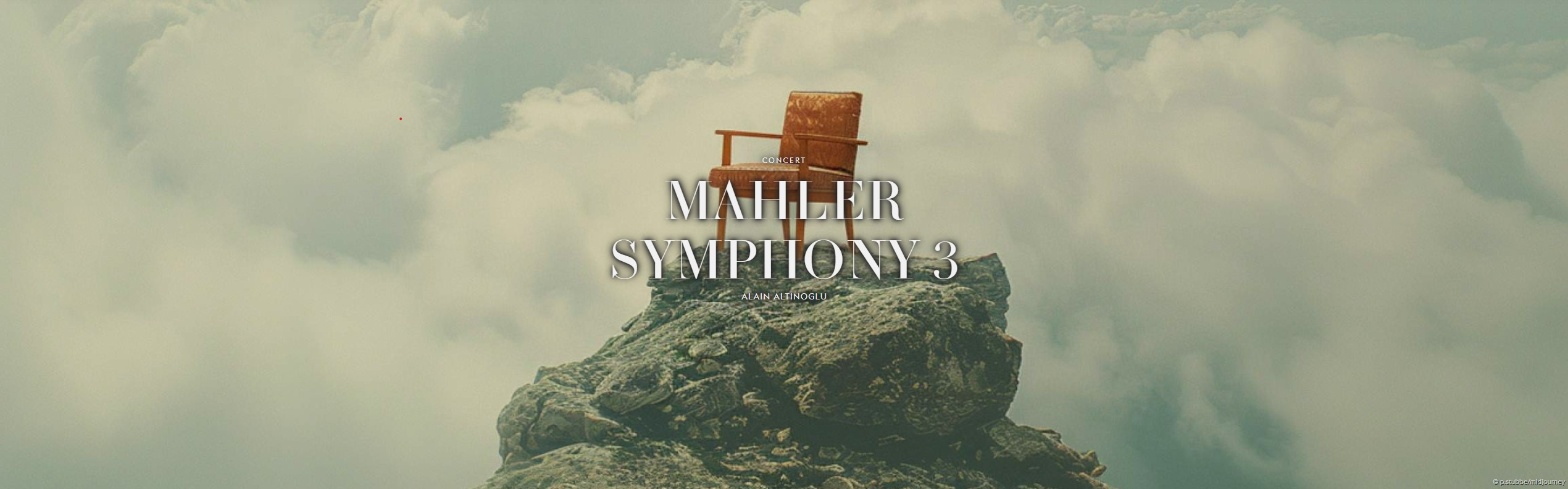
BOZAR, Brussels, 4 May 2025
Mahler 3 is one of the longest symphonies ever composed, with six movements running mostly uninterrupted for more than one hour and a half. It is conceived as a reflection on the place humans have in the universe, inspired by nature and Nietzsche’s philosophy. In its simplest form, the programme consists of a title for each of the six movements:
- “Pan Awakes, Summer Marches In”
- “What the Flowers in the Meadow Tell Me”
- “What the Animals in the Forest Tell Me”
- “What Man Tells Me”
- “What the Angels Tell Me”
- “What Love Tells Me”
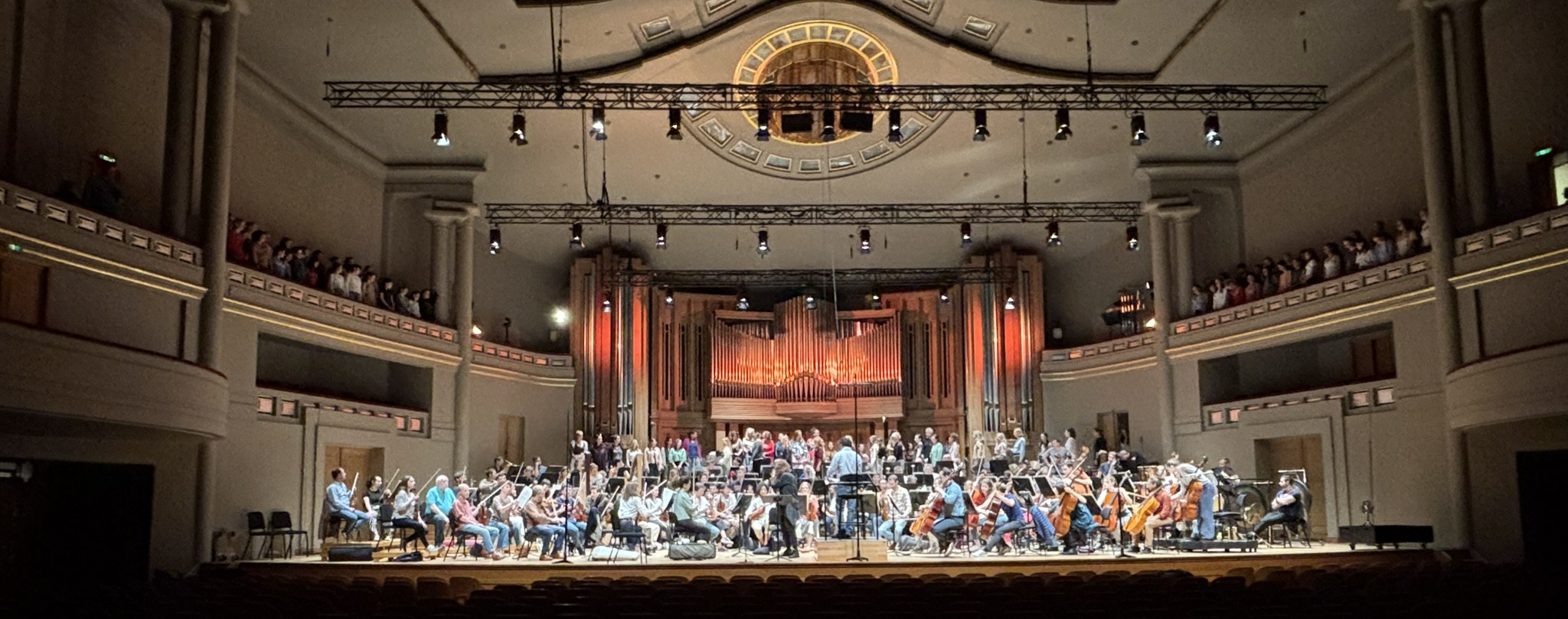
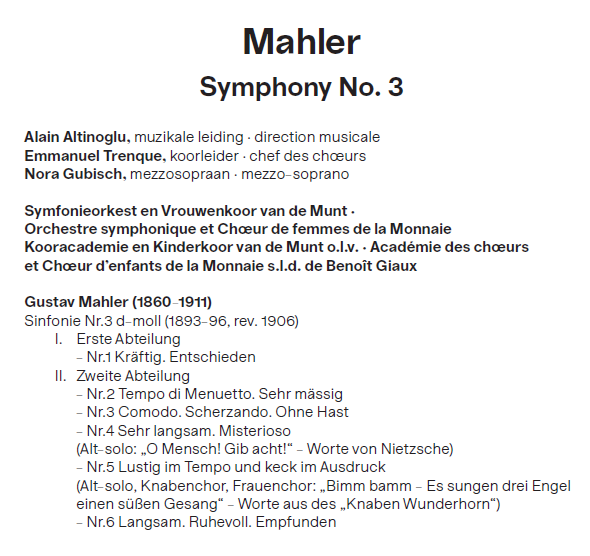
Although most of the piece is instrumental, there is an important vocal part, like in many of Mahler’s symphonies,
For the children’s choir, the role comes late in the work, in the fifth movement, where the score calls for soft, distant voices singing of angels (“Es sungen drei Engel”) over quiet orchestral textures.
Compared to the rest of the symphony – a huge and at times chaotic musical landscape, this movement feels completely other.
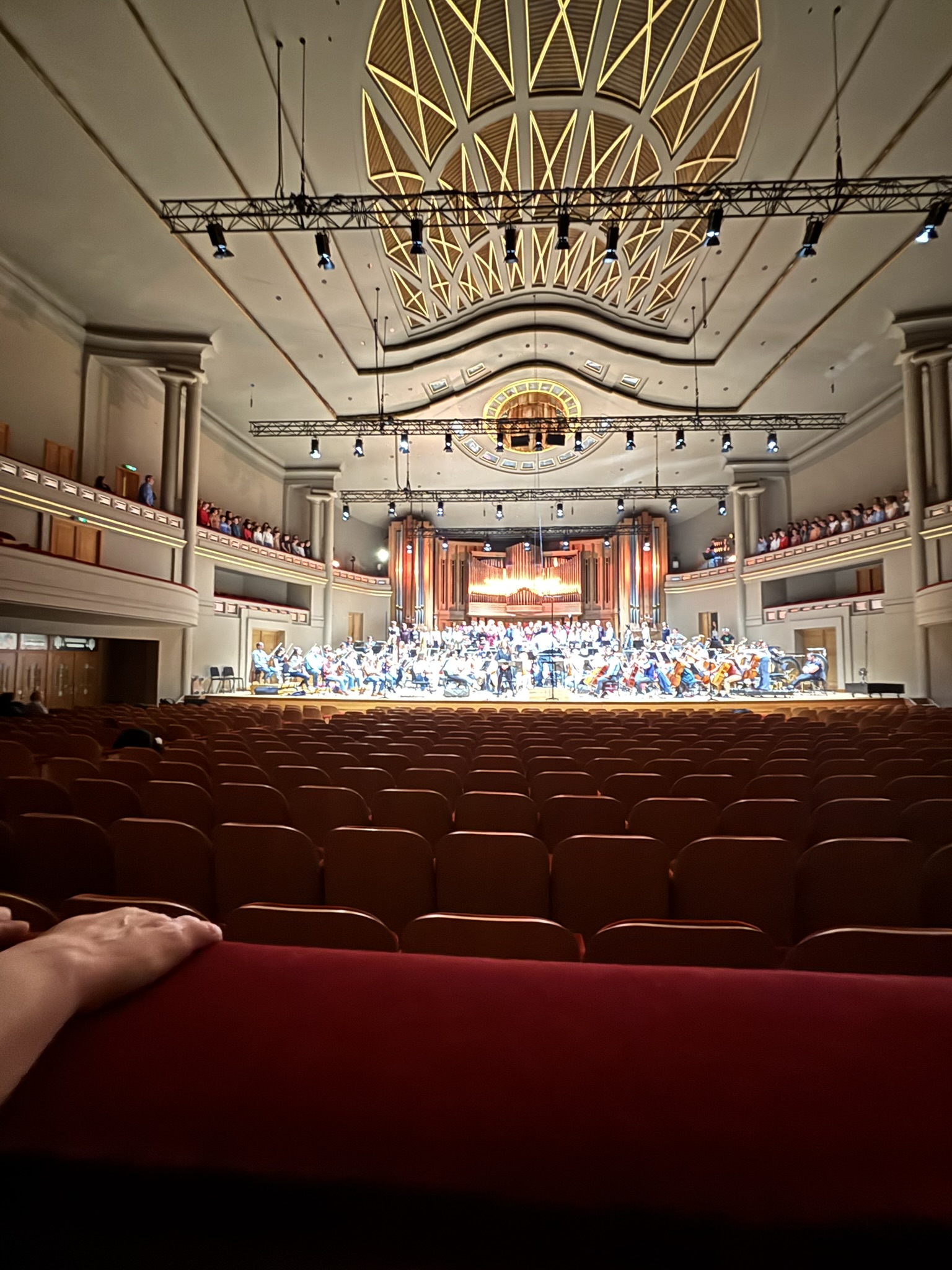
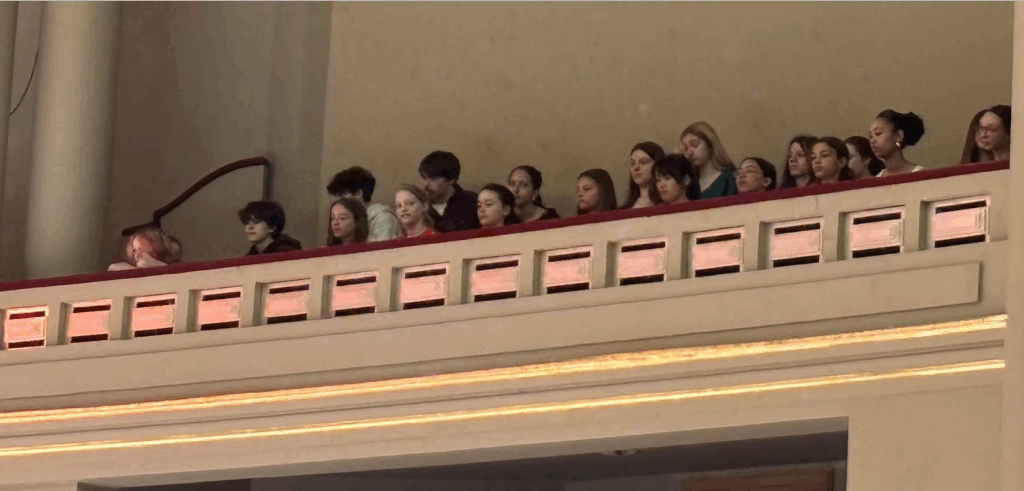

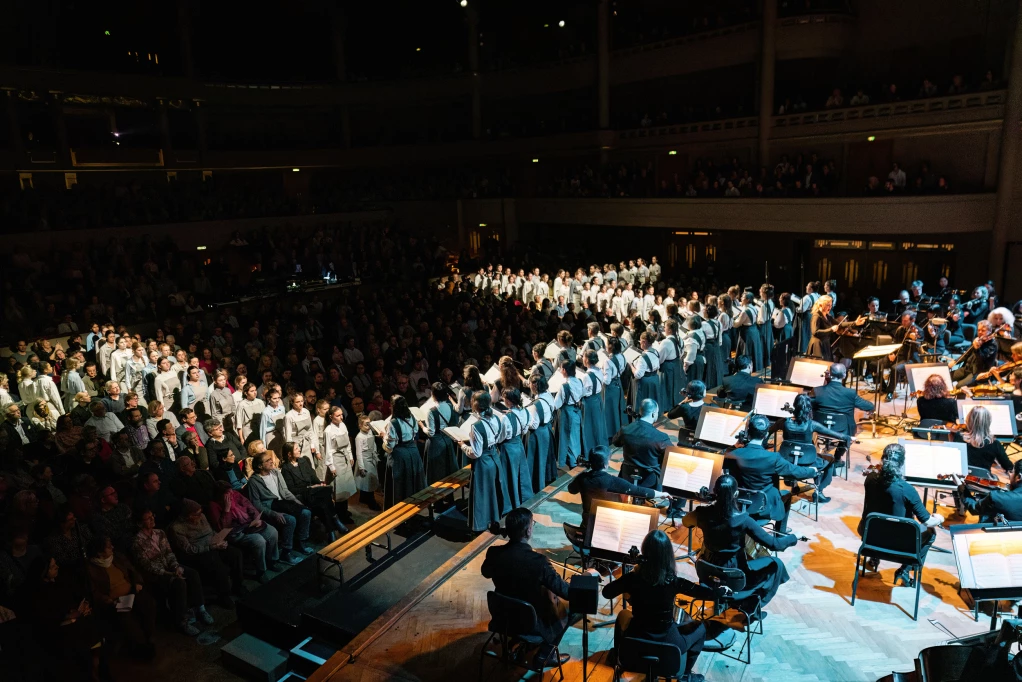
Singing this symphony was a strange experience, yet not one that I am not accustomed to. We stood still for long stretches, waiting to come in, and when the moment arrived, the demand was for restraint, clarity, and distance, not expression in the usual sense. The music doesn’t aim to sound like real children singing, but instead like bells. The only lyrics to our part with few exceptions were “bimm” and “bamm”, and we were instructed to hold the “mmm” decrescendo to sound as much like bells as possible.
I wouldn’t say it was the most exciting or satisfying thing to perform – the weight of the piece rests elsewhere, in the orchestra and soloist, but it did leave an impression. There’s something interesting about being asked to sound like something other than a voice, it was fun to explore that.
Mahler’s Third is a difficult work to wrap your head around – both as a listener and a performer. And being inside it, even briefly, made that complexity all the more clear.
The audience’s reaction was immediate and powerful, with a standing ovation. It was a clear sign that the concert had touched something profound.
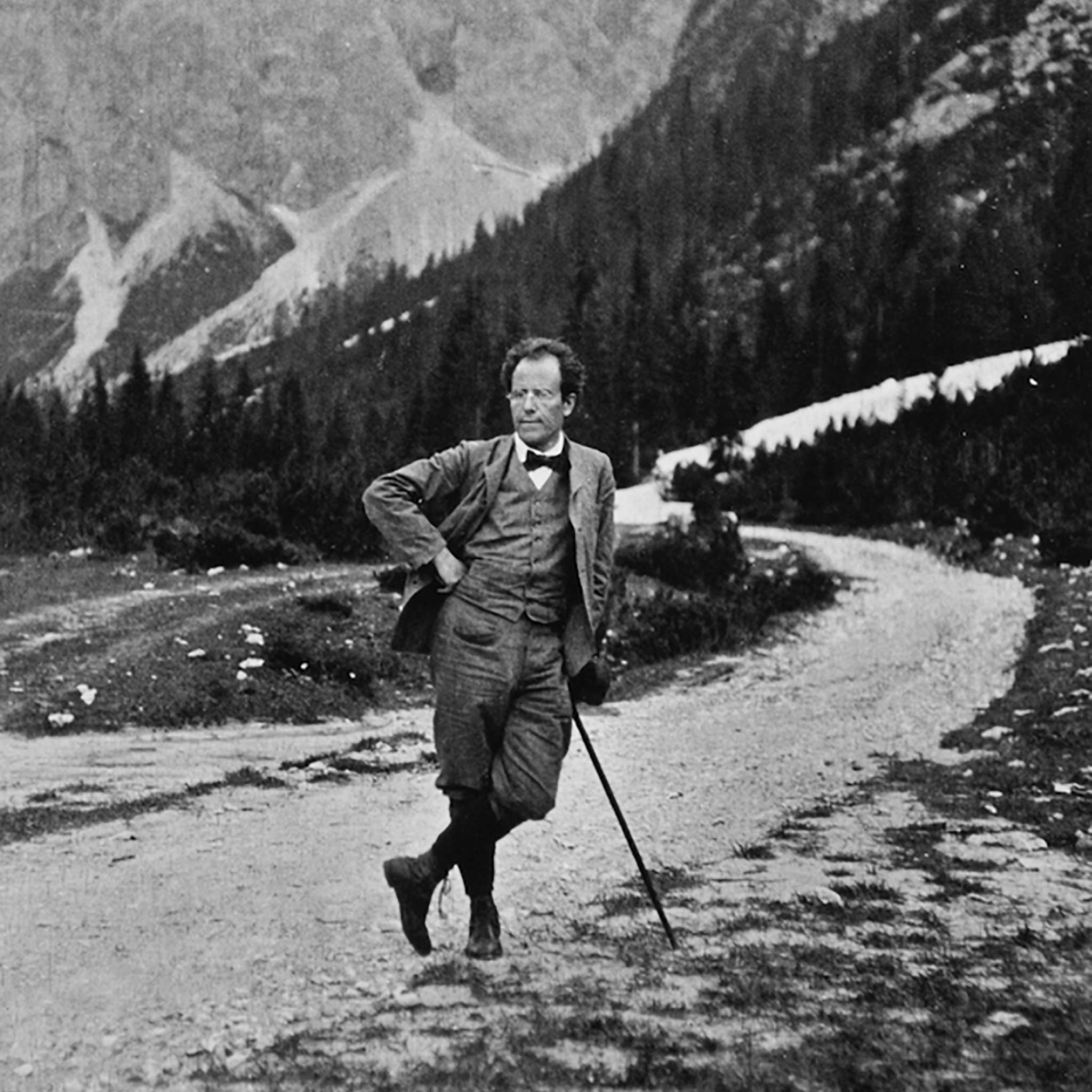
Gustav Mahler and nature
Mahler’s works were often inspired by nature. He retired every summer to a cabin in the forest to compose his symphonies. It took him several summers to write his Third.
Read an interesting article about Mahler’s love of nature, and see a photo of his cabin at La Monnaie Magazine.
Broadcasts and Videos
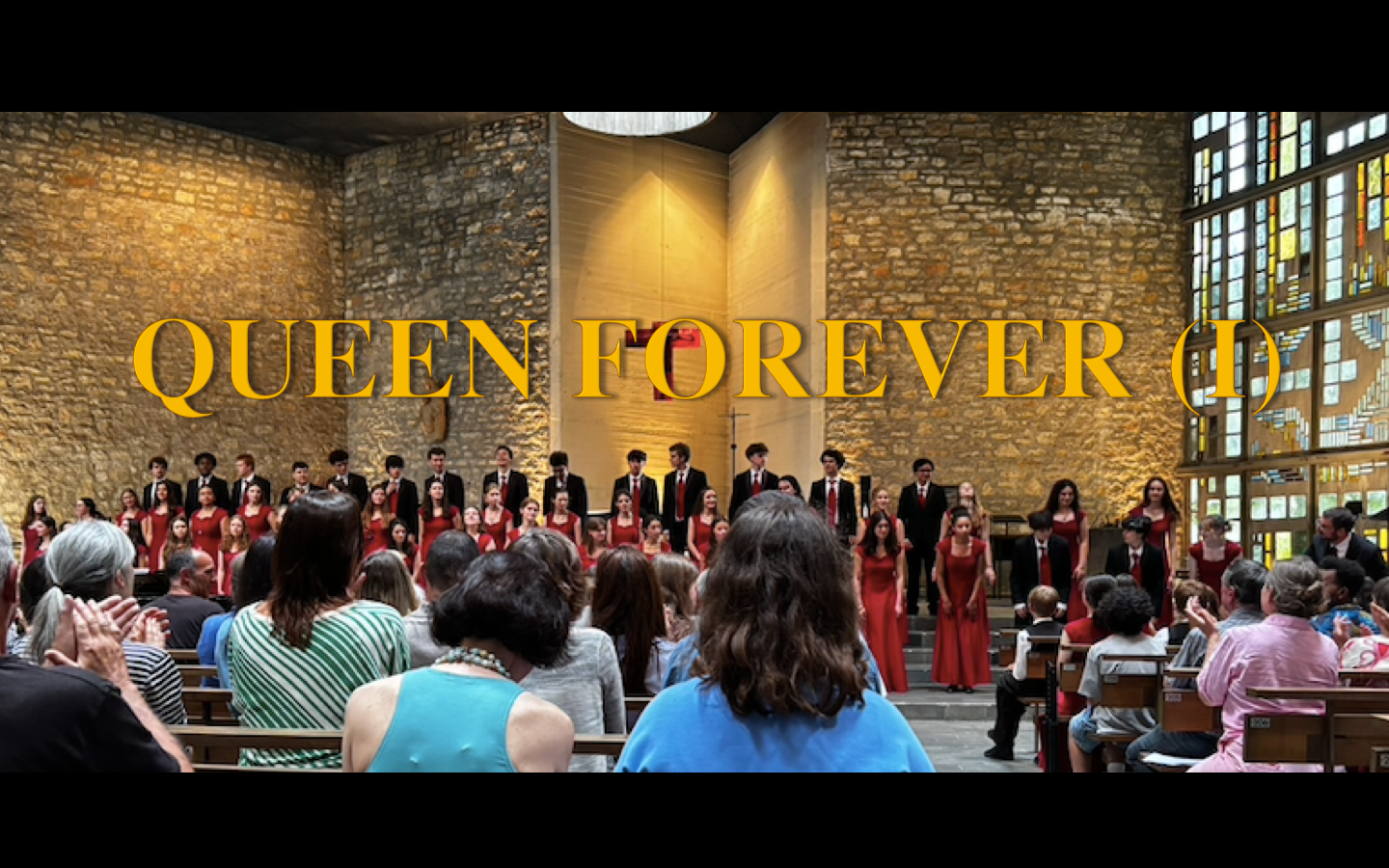
Our performance was recorded by the radio station Musiq’3, and will be broadcasted on the 23rd of June 2025 at 20h. In the meantime, I am posting here some videos taken at the dress rehearsal.
08:02 Fifth movement (women and children choirs) “What the Angels Tell Me” [“Bimm, bamm, Es sungen drei Engel” eine süssen Gesang”] – from one of Mahler’s Des Knaben Wunderhorn songs, (text based on a 17th-century church hymn).
What the critics said
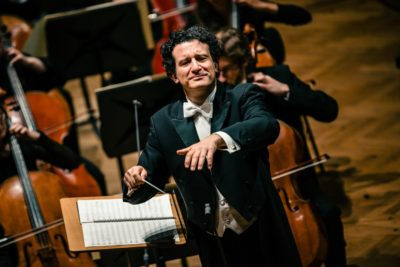
Our interpretation of Mahler’s monumental Third Symphony received high praise from critics for its emotional depth and atmosphere. Alain Altinoglou was praised for his precise, nuanced direction and his ability to sustain the long emotional arc of Mahler’s vast symphony. Critics highlighted his talent for bringing out the unique voice of each orchestral section, maintaining tension while allowing the music to breathe and resonate with clarity. The orchestra was described as a fluid, united ensemble, with particularly cohesive string sections. Mezzo-soprano Nora Gubisch -Altinoglou’s wife- stood out for her delicate expressiveness and emotional sensitivity. The choruses were praised by our precision, warmth, and dynamic control, further enriching the performance.
The final climax of the symphony was singled out as a moment of pure transcendence—time seemed to stand still as the audience was swept into another dimension.
- bachtrack: La Troisième de Mahler selon Altinoglu à Bozar : la beauté est de ce monde
- Crescendo Magazine: Sublime Symphonie n°3 de Mahler à Bozar
- Olyrix: Monumentale 3ème de Mahler à Bruxelles
- ConcertoNet: Une symphonie qui embrasse le monde
“Nora Gubisch livre une prestation d’une grande sensibilité tandis que les chœurs brillent par leur précision et leur expressivité.”
Thimothée Grandjean, Crescendo Magazine

Leave a Reply