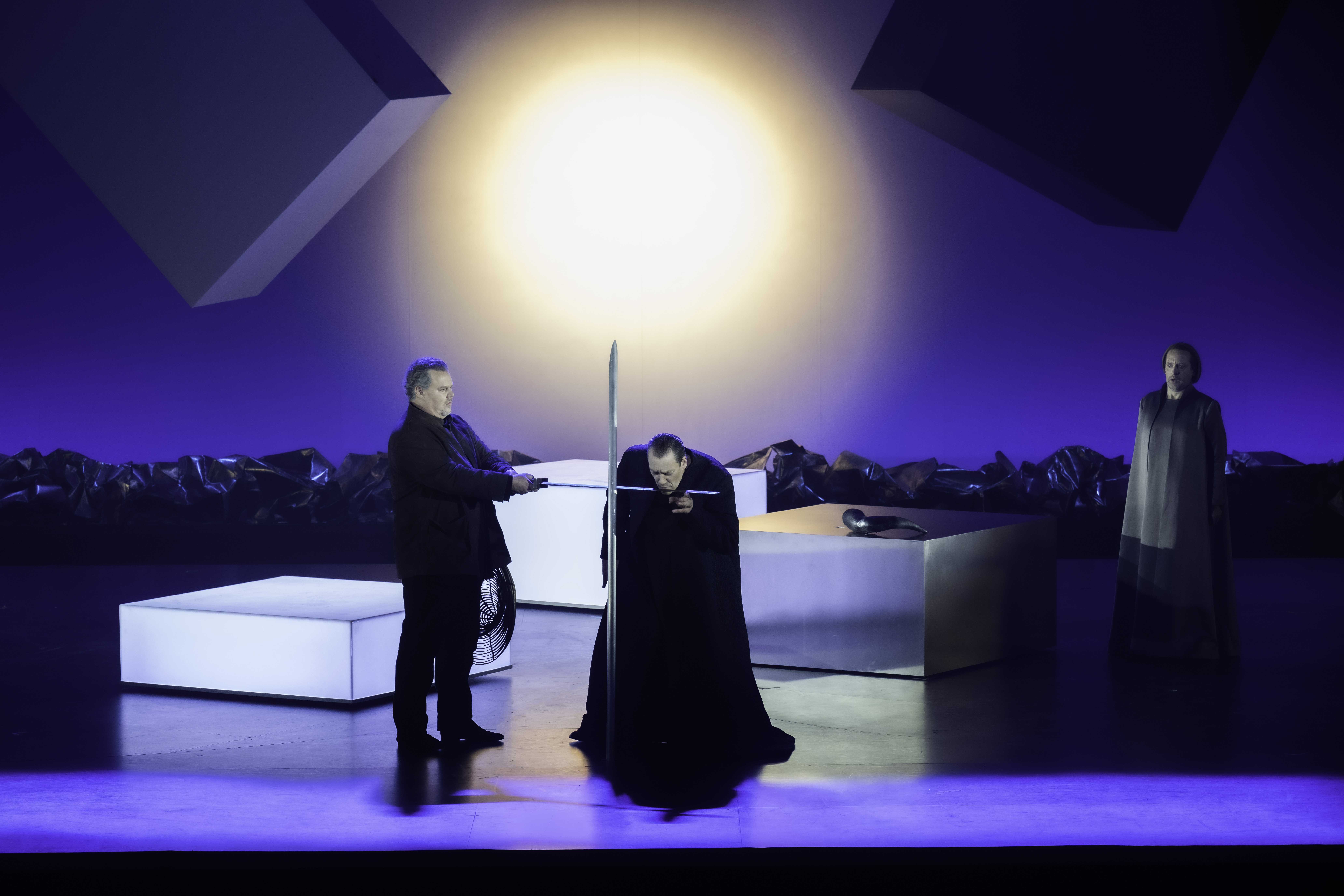
La Monnaie, 2 March 2025
Wagner took 26 years to write the libretto and compose the music of The Ring of the Nibelung, a set of four operas (or, more precisely, a prologue and three ‘days’) meticulously conceived and crafted to be the ultimate work of art. He started working on the last opera of the cycle, Götterdämmerung, or the “Twilight of the Gods”, a German term referring to the final battle between good and evil gods, leading to their destruction, based on the Norse mithology and the Icelandic sagas. Wagner then worked backwards on the story, until the very beginning, wrote all verses, and then worked forward again to finalise the music, with hundreds of leitmotivs that appear and mix through the whole cycle.
Wagner was a total genius and a total control freak. He designed the perfect theater with the perfect acoustics and technical conditions for his work, and raised funds from the Bavarian King Ludwig I to build it. Once his main composition work was done, Wagner also conducted the performances, directed the stage, imagined the decors, and even invented a special wind instrument, so big that it can only be used in an orchestra pit with enough space for it. Götterdämmerung premiered in 1876 in Wagner’s Festpielhaus, in Bayreuth, Bavaria, the beautiful theater that the king generously funded to increase Wagner’s glory.
Even today, almost 150 years later, the Festspielehaus theater only programmes Wagner’s music, and Katharina Wagner, Richard’s great-granddaughter, is the current Director of the Festival. The best Wagnerian musicians, singers and conductors from all over the world go to Bayreuth every year to play every summer week the Ring’s 16 hours of music, plus other operas by the same composer. The tickets are difficult to get and they are quickly sold out, often with waiting lists of several years. My family and I will go to Bayreuth this summer, and the Monnaie’s Ring has been a perfect introduction for me to this work that cannot be comprehended in one go.
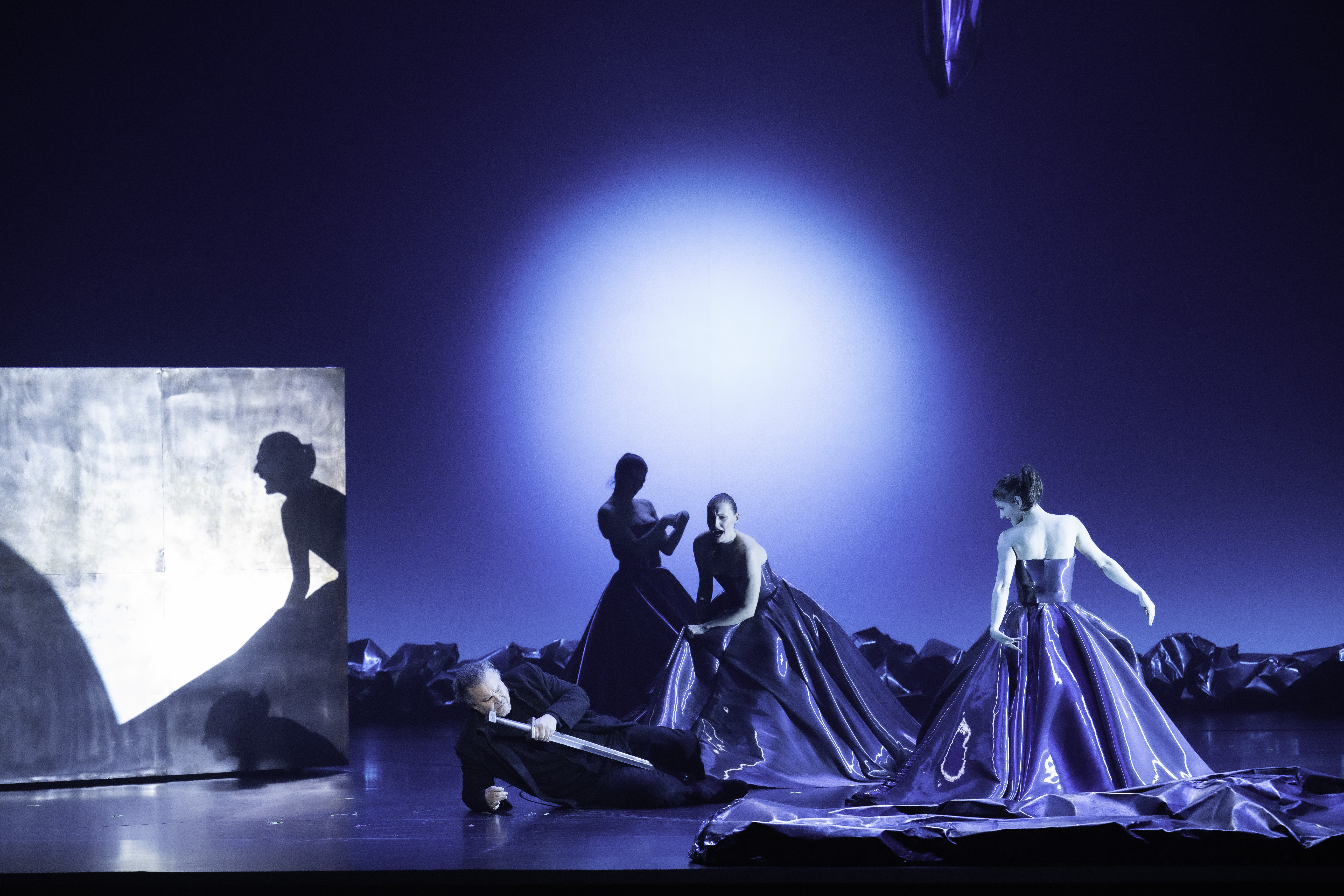
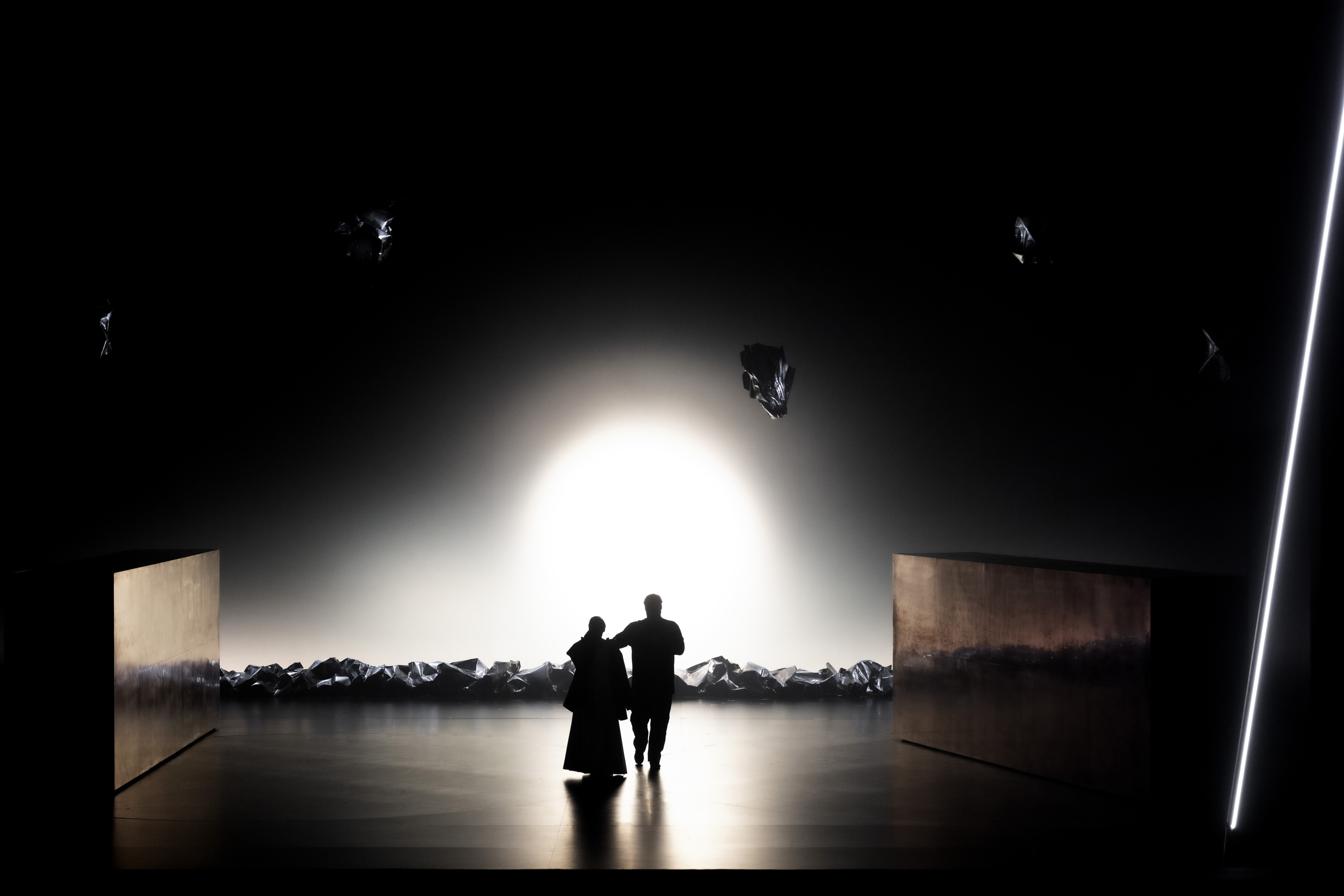
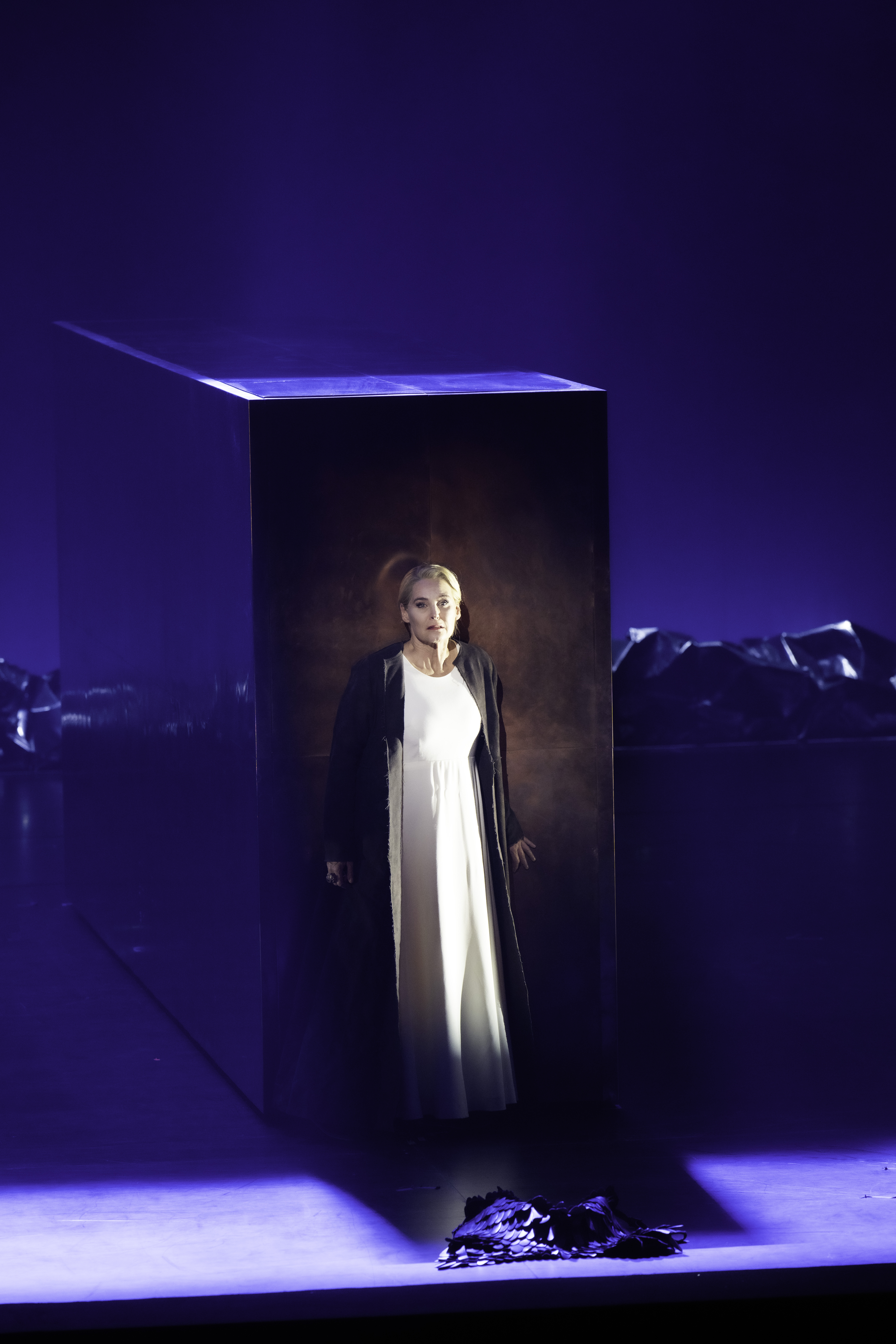
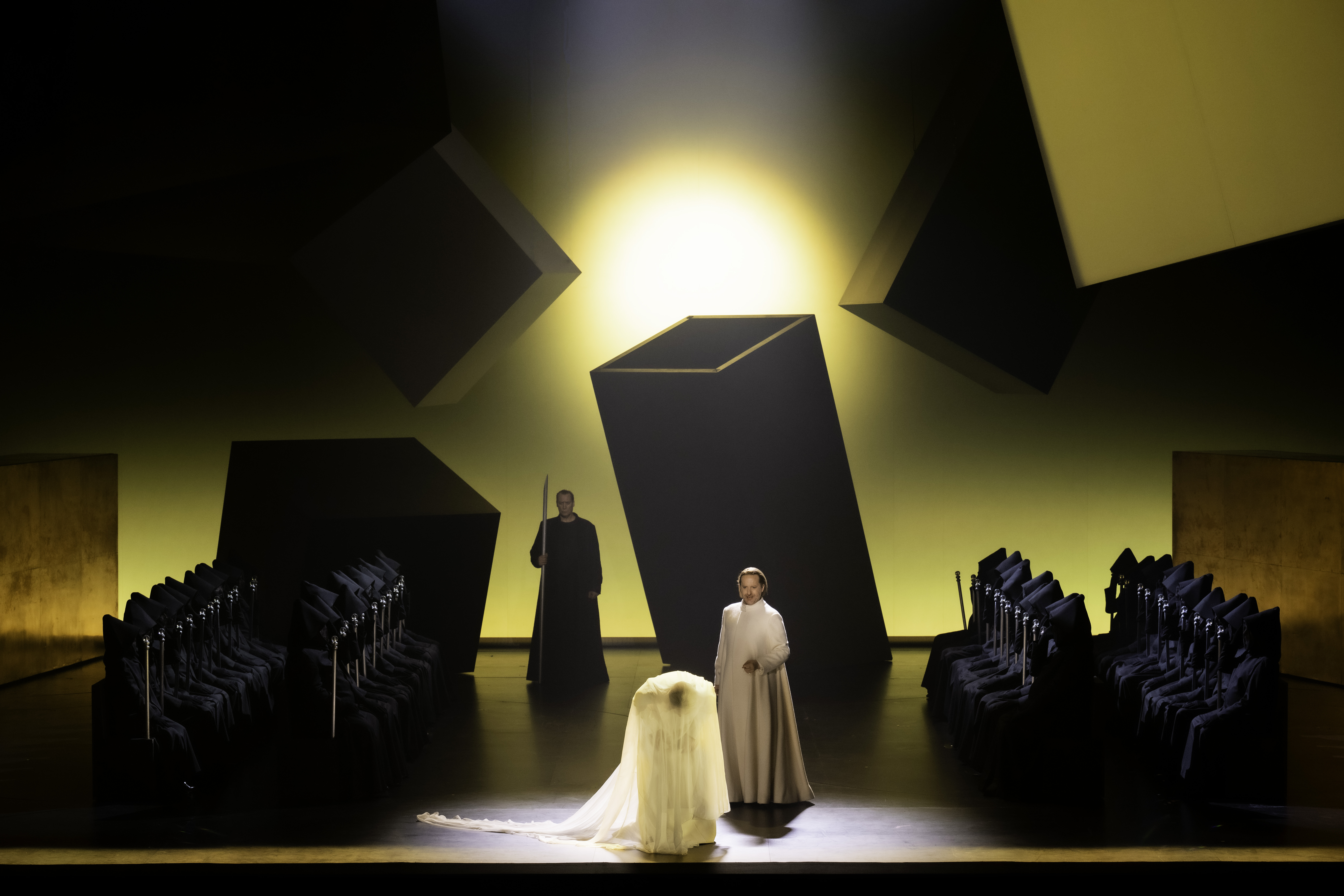
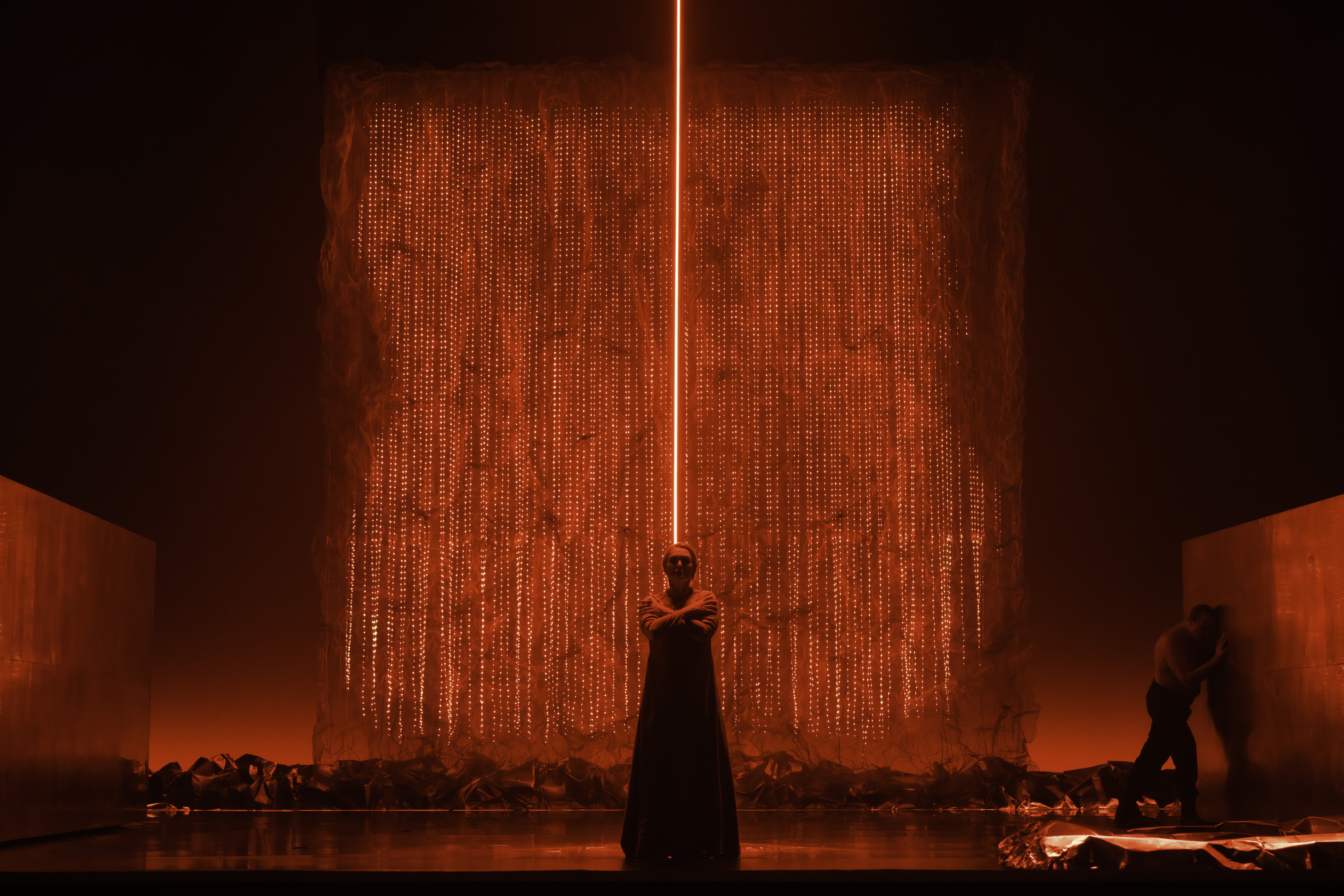
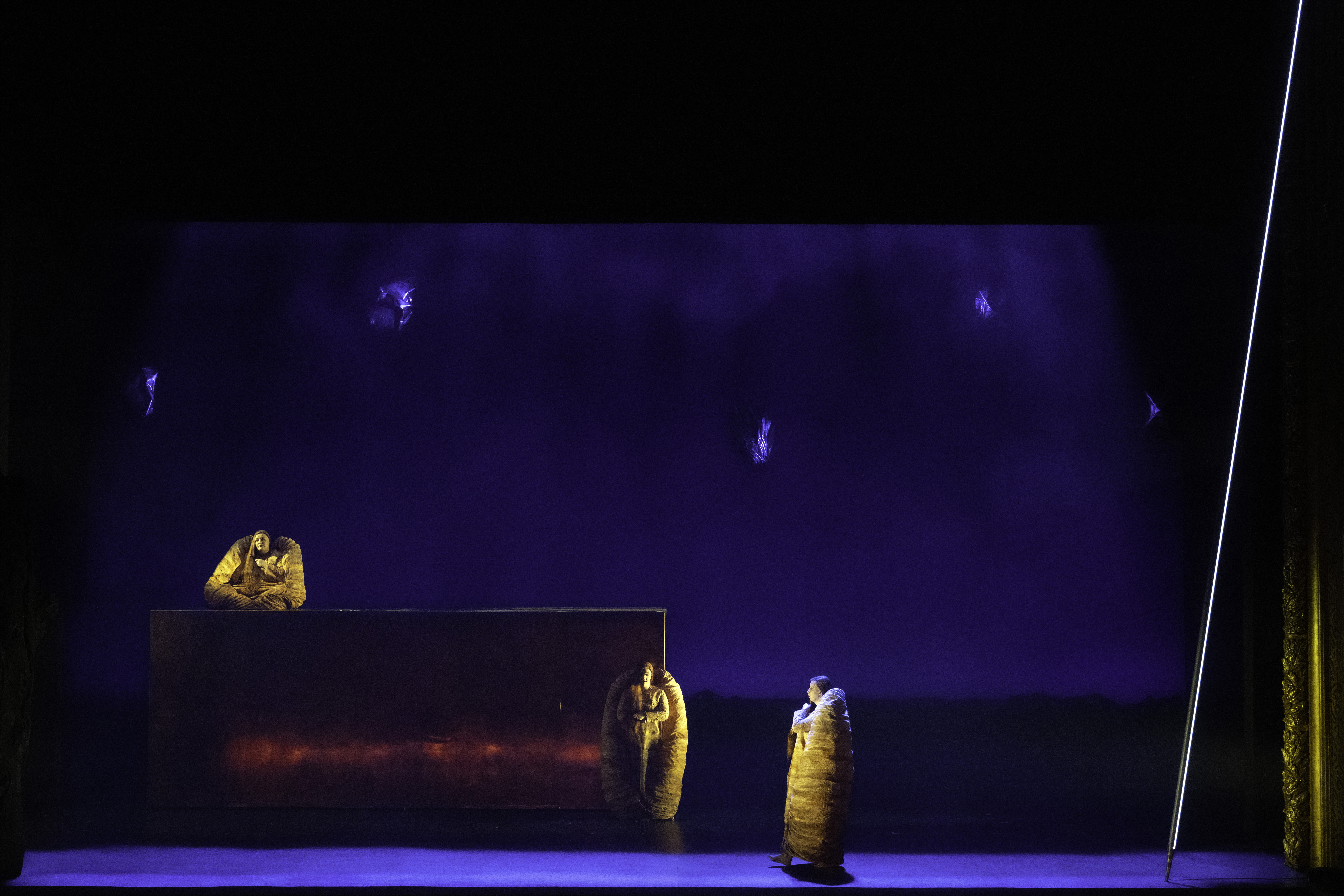
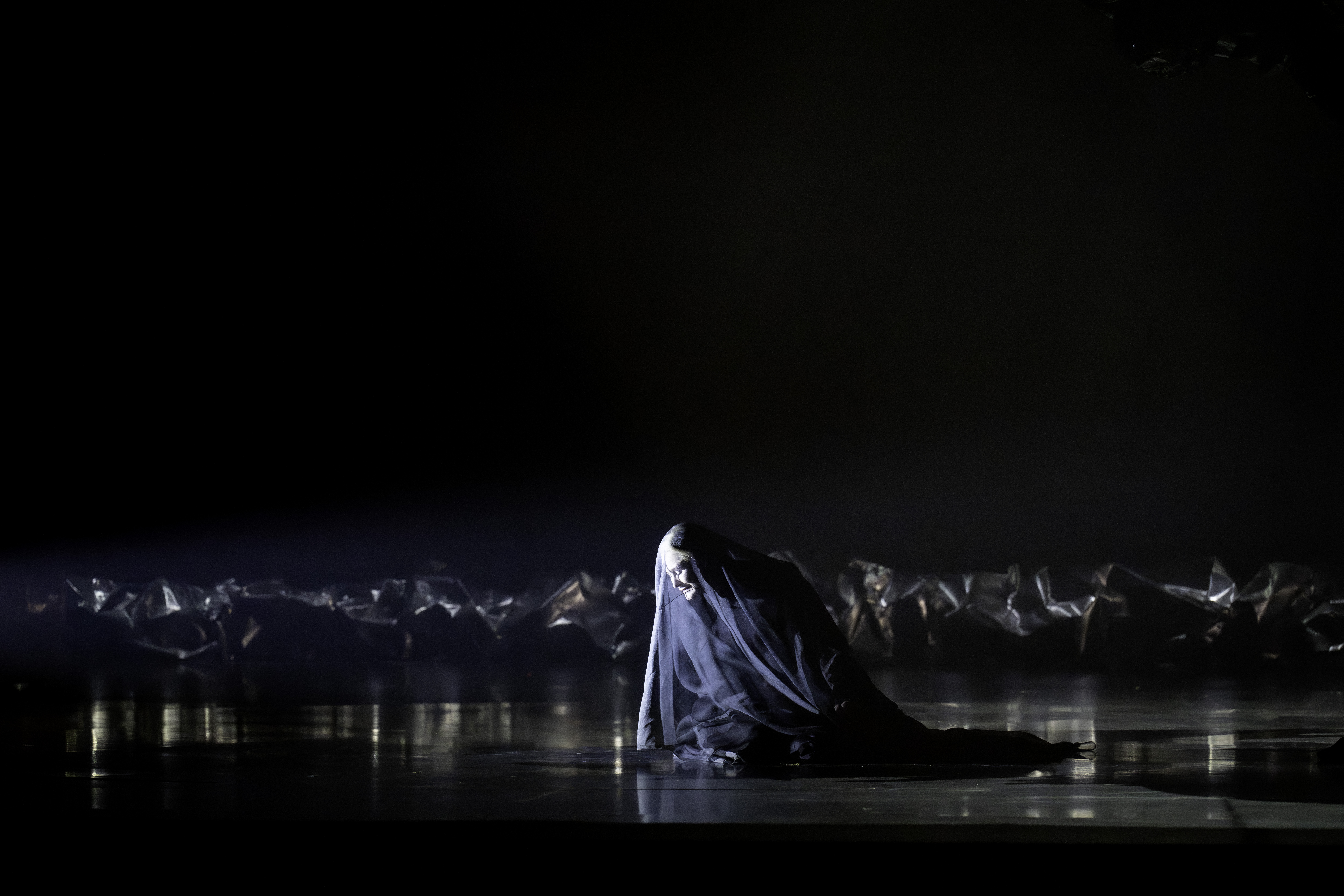
But the Ring produced at La Monnaie, the first that this opera house has staged in decades, has been atypical. What should have been a global concept for the whole tetralogy, ended up split in two. The first two operas of the series (Das Rhinegold and Die Walküre) were staged last season by Romeo Castelluci in a minimalist symbolic style – each scene either pitch black or immensely white, the Ring itself like a giant hula-hoop. After Castellucci left the project unfinished due to a budgetary disagreement with the theatre, the second pack of two (Siegfried and Götterdämmerung) was inherited by Pierre Audi only a few months before the scheduled performances. Given the time constraints, the results are surprisingly good. Audi’s conceptual, futuristic Ring in strong colours (blue, red, yellow, brown, black) is beautiful, aesthetical and extremely powerful. Nothing to do with the previous two, but who remembers them?
Fortunately, this is not Bayreuth and the four operas will never be played on the same week.
On the musical side, the whole Ring was cohesively conducted by Alain Altinoglou, who has analysed the score for more than 20 years, and acted as assistant musical director in Bayreuth, the ultimate benchmark of all things Wagnerian.
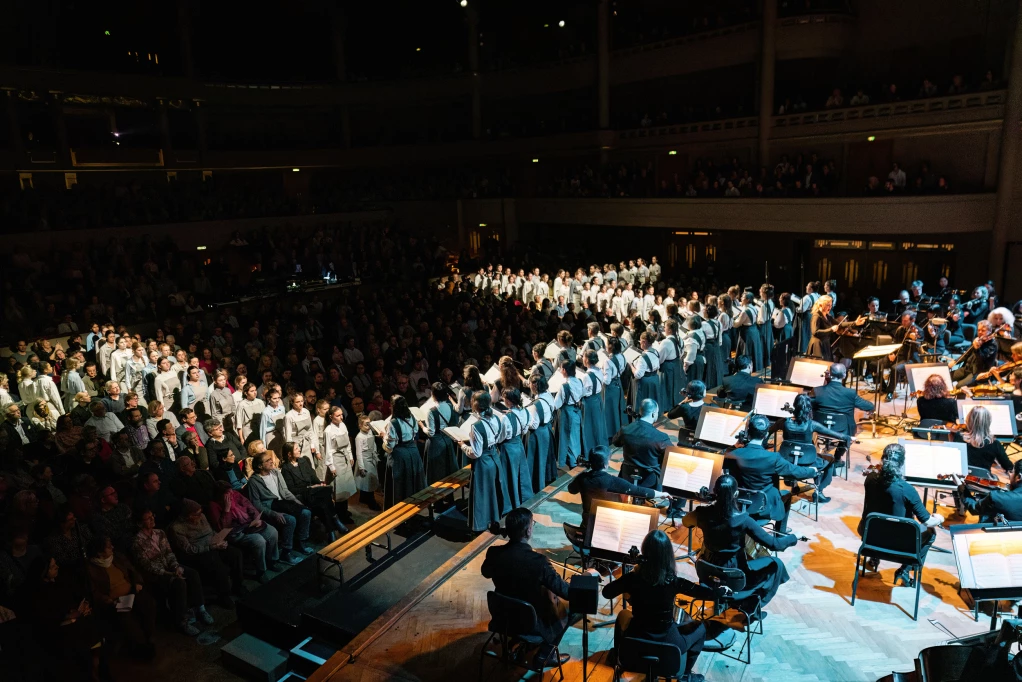
Through the whole Ring, and particularly in this last installment that contains and connects all the rest, La Monnaie orchestra sounded round, strong, delicate, lyrical, epical, loud, clear, transparent… and every nuance in between. This is a tour de force for every conductor, and for every orchestra, and even more for the singers, who need to be physically strong to sing for hours against a strong orchestra, in a theater that does not have the subtle acoustics of Bayreuth.
I have linked two videos of the production, one short trailer and the entire opera.
CAST
Der Ring des Nibelungen
Ein Bühnenfestspiel für drei Tage und einen Vorabend
Dritter Tag: Götterdämmerung
In drei Aufzügen
Text und Musik von Richard Wagner
Premiere Festspielhaus, Bayreuth, 17.8.1876
Conductor ALAIN ALTINOGLU
Director PIERRE AUDI
Choreography PIM VEULINGS
Video CHRIS KONDEK
Sets MICHAEL SIMON
Costumes PETRA REINHARDT
Lighting VALERIO TIBERI
Dramaturgy KLAUS BERTISCH
Chorus Master EMMANUEL TRENQUE
Siegfried BRYAN REGISTER
Gunther ANDREW FOSTER-WILLIAMS
Alberich SCOTT HENDRICKS
Hagen AIN ANGER
Brünnhilde INGELA BRIMBERG
Gutrune ANETT FRITSCH
Waltraute NORA GUBISCH
Erste Norn MARVIC MONREAL
Zweite Norn IRIS VAN WIJNEN
Dritte NornKATIE LOWE
Woglinde TAMARA BANJEŠEVIĆ
Wellgunde JELENA KORDIĆ
Flosshilde CHRISTEL LOETZSCH
La Monnaie Symphony Orchestra and chorus
Inside the music
Alain Altinoglou has given one musical lecture for every part of the Ring. In all of them he explained the story and different leitmotivs on the piano, as well as other concepts behind Wagner’s composition process, that has influenced the music until today. This is the “Inside the Music” lecture dedicated to Götterdämmerung.
In a future post, after my Bayreuth experience I plan to identify and explore as many leitmotivs as possible.
Other resources
La Monnaie Magazine has a lot of resources online to know more about Götterdämmerung:

Leave a Reply