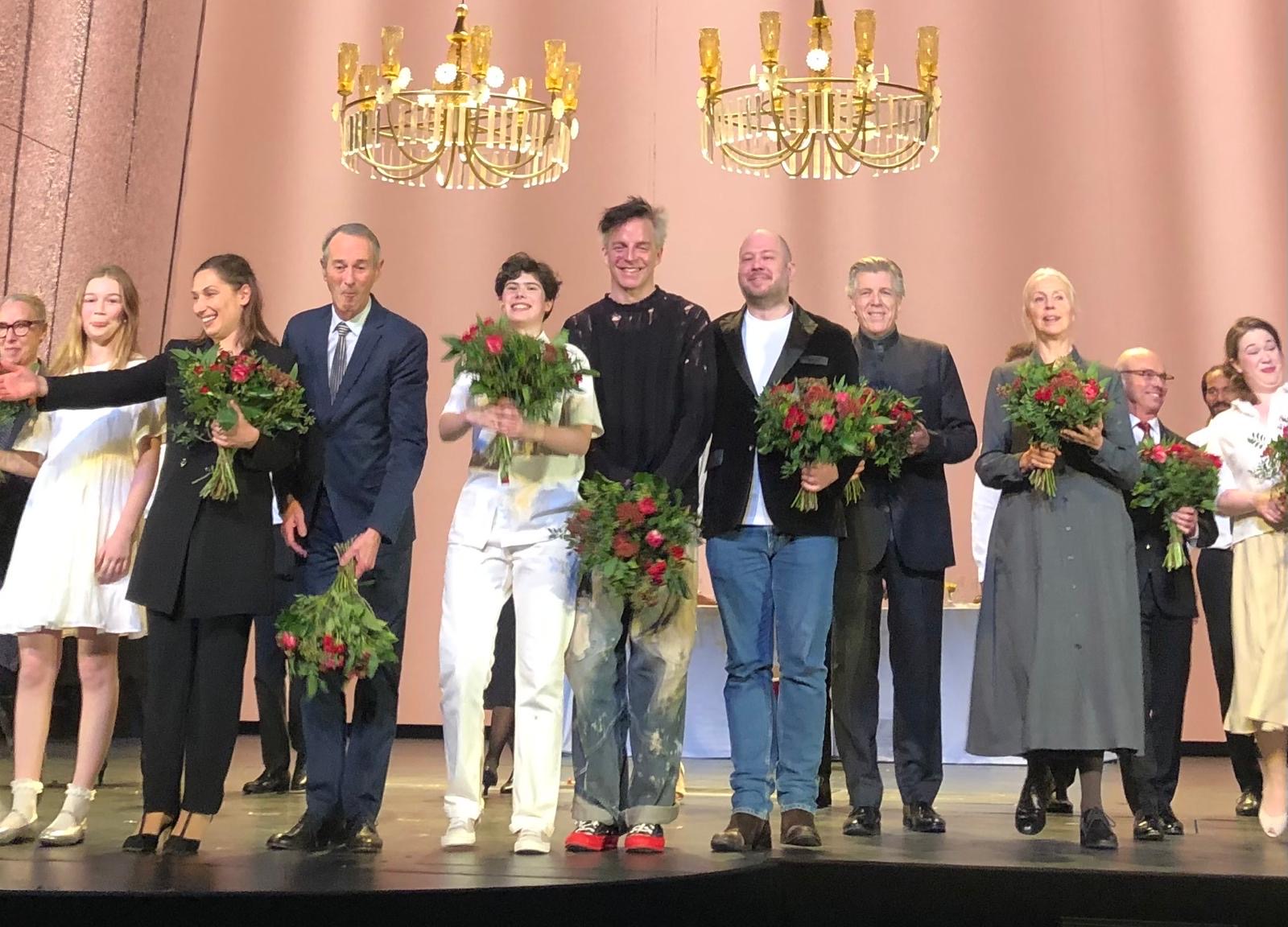
“OMG, my picture is in the New York Times!”
First came the press materials and teaser videos released by La Monnaie. Then some articles appeared announcing the production. They were very descriptive, mostly in the Belgian press, some Swedish media… and the New York Times. After all, La Monnaie is Belgian, the original story is Swedish, most of the cast members are American, and the composer and the libretto writer live in New York. There were also some interviews published before the premiere.
Mostly great reviews
Then, after our first performance, the reviews started pouring in from everywhere. It was a little strange, but it did not surprise me that they were mainly positive – the opera is good and the singers were amazing -, what really surprised me was how resoundingly positive the critics were with me! Every single one mentions my name, and for me this is the first time that I have such notoriety in a production.
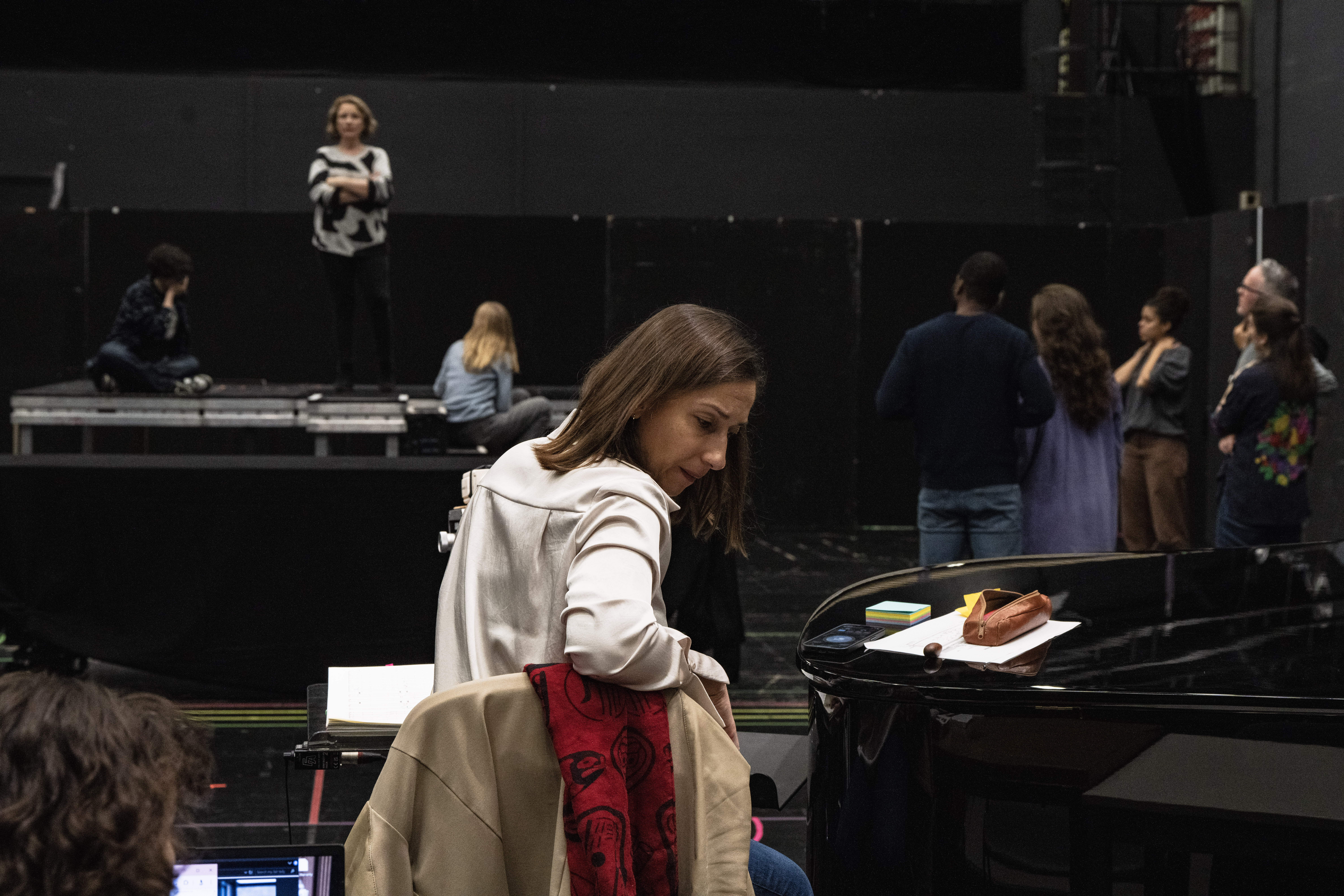
By the time the reviews came, I was already a confident member of the cast. The nerves I had felt were mostly about those first few days of rehearsals, when I felt I had to prove myself and make a good first impression. In the very beginning, I was worried about how I would be perceived—whether the adults, experienced singers and musicians, would be nice to me. I wasn’t truly worried about the music, I had learnt my part before, but I was anxious about messing up early on and everyone thinking I was terrible forever. Fortunately, all went good!
“
“Boy soprano Jay Weiner delivers a phenomenal Alexander, utterly confident, note-perfect.”
SHIRLEY APTHORP – FINANCIAL TIMES
“
“Jay Weiner, in one of his first roles at all, outshines the entire ensemble with his angelic voice.”
REBECKA KÄRDE – Dagens Nyheter (sweden)
“
“The show’s big star and real protagonist is 15-year-old Jay Weiner, who plays Alexander’s major role. Musically and scenically, he has already come a very long way.”
GUNILLA BODREJ – EXPRESSEN.SE
Not everybody wanted to read the reviews: for example, the American tenor Peter Tantsits, who played my father in the opera, asked us to stop talking every time someone mentioned a review: “I will read them all after the production is finished“. Others did not want to know, but did not actively avoid them either. And some, like the fantastic countertenor Aryeh Nussbaum Cohen, actively searched for them to post to his socials.
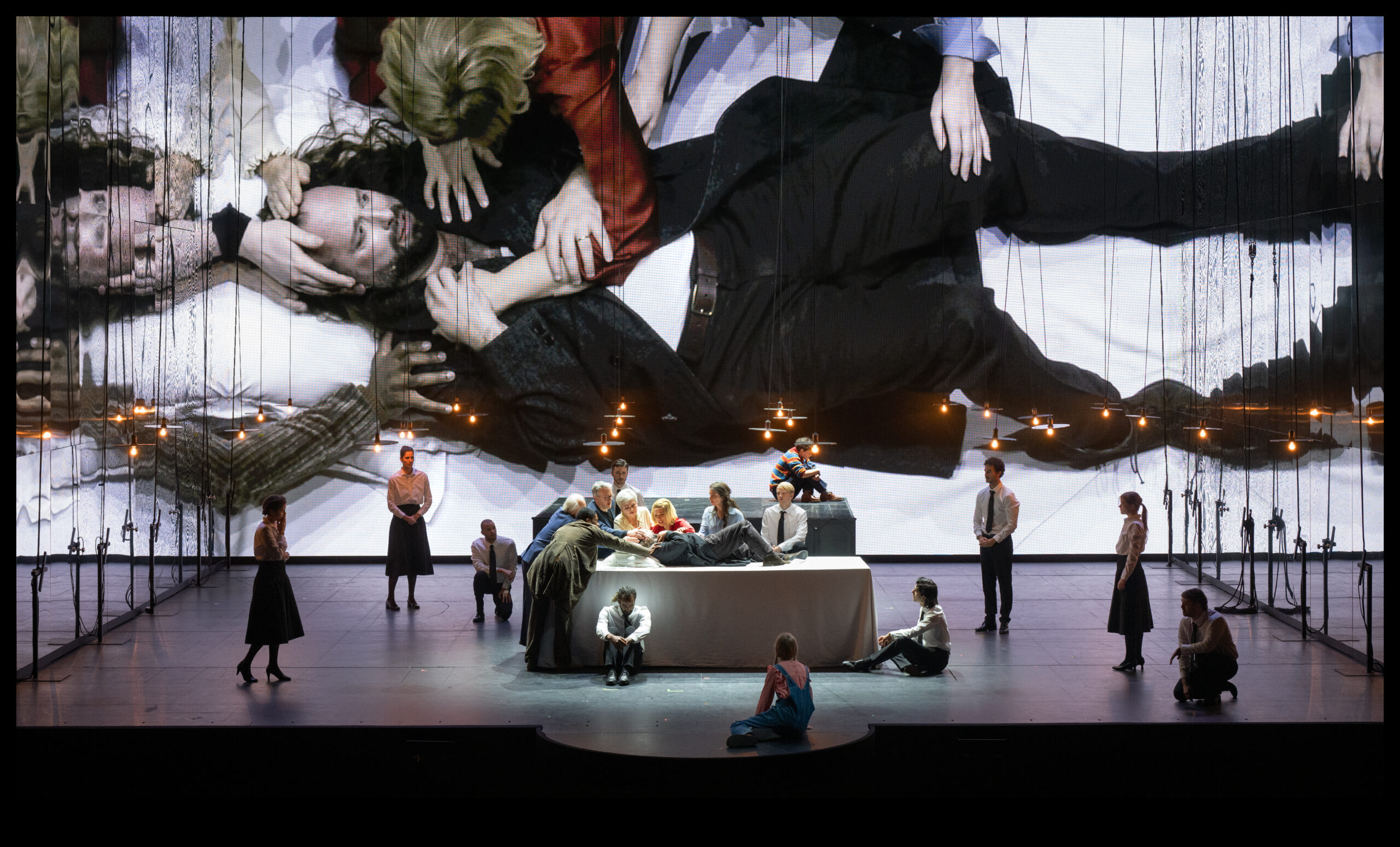
Whilst the singers and stage direction received unanimous praise, the music received mixed reviews. Many were positive, highlighting the eclectic nature of the composition, with tonal and atonal influences, and the important presence of electronic music and effects, which is still rare in the opera world. Due to the highly positive tone of the first reviews, in a couple of days after the first performance, all the tickets for the nine shows were sold out.
“
“Les ovations au rideau ont également accueilli à juste titre, le mystérieux Ismaël du fantastique et charismatique contre-ténor Aryeh Nussbaum Cohen, un nom à retenir. Il possède un étrange timbre d’une grande beauté qui allie une certaine sauvagerie à une grande puissance, avec une ligne de chant souple et percutante.”
HELENE ADAM – CULT.NEWS
“
“L’écriture vocale très efficace et tonale de Karlsson utilise un style vocal syllabique assez proche de Britten, avec parfois quelques touches de musical à l’anglo-saxonne. Quant à son univers orchestral, il va d’évidentes références au minimalisme répétitif à la Philip Glass à de très claires allusions à Richard Strauss, Puccini, Debussy ou la musique de film hollywoodienne.”
Patrice Lieberman – bachtrack.com
Dealing with critical reviews
Other reviews were more critical with the composition and orchestration, labelling the opera as film or video game music, influenced by Hans Zimmer (Interstellar, Dune). In particular, one single review – from the Financial Times – was so disrespectful with the composer that I suspect the critic had a bad day or some vendetta against him: “… this new opera sounds like a mash-up of video game music and something composed by ChatGPT.” (…)“Karlsson’s score is turgid, muddy, sluggish and dull.“(…);“if Karlsson’s new score was not written by a robot, it certainly sounds as if it was.”(…)“How could they let this happen?”
So I simply decided to disagree with them and move on with my day. To this day I haven’t read all the reviews — I’ve read the sections that mention me and i’ve looked through the most positive ones, but i can’t bring myself to actually read the ones that are too negative. Because I’ve been part of this opera for so long that it has practically become part of me, a vicious, negative review of the opera almost feels like they’re trashing my family. So, instead, I let people who have read the reviews describe them to me with bias, and that’s enough for the me.
Read by yourself what the critics wrote
The Press Department at La Monnaie has compiled all the materials and press reviews they could find in a 255-pages-long document. There are pieces in many languages, but fortunately they are quite easy to translate online. If you want to dig into the reviews, please go ahead and give me your opinion:

Leave a Reply to Fanny and Alexander: a mix of electronic and acoustic music – Jay Weiner's Portfolio Cancel reply